Botany
From Virtual Gardens to Real Nature: The Garden Horizons Plant Encyclopedia
Discover the real-world counterparts of every in-game plant, from Common carrots to Legendary olives.
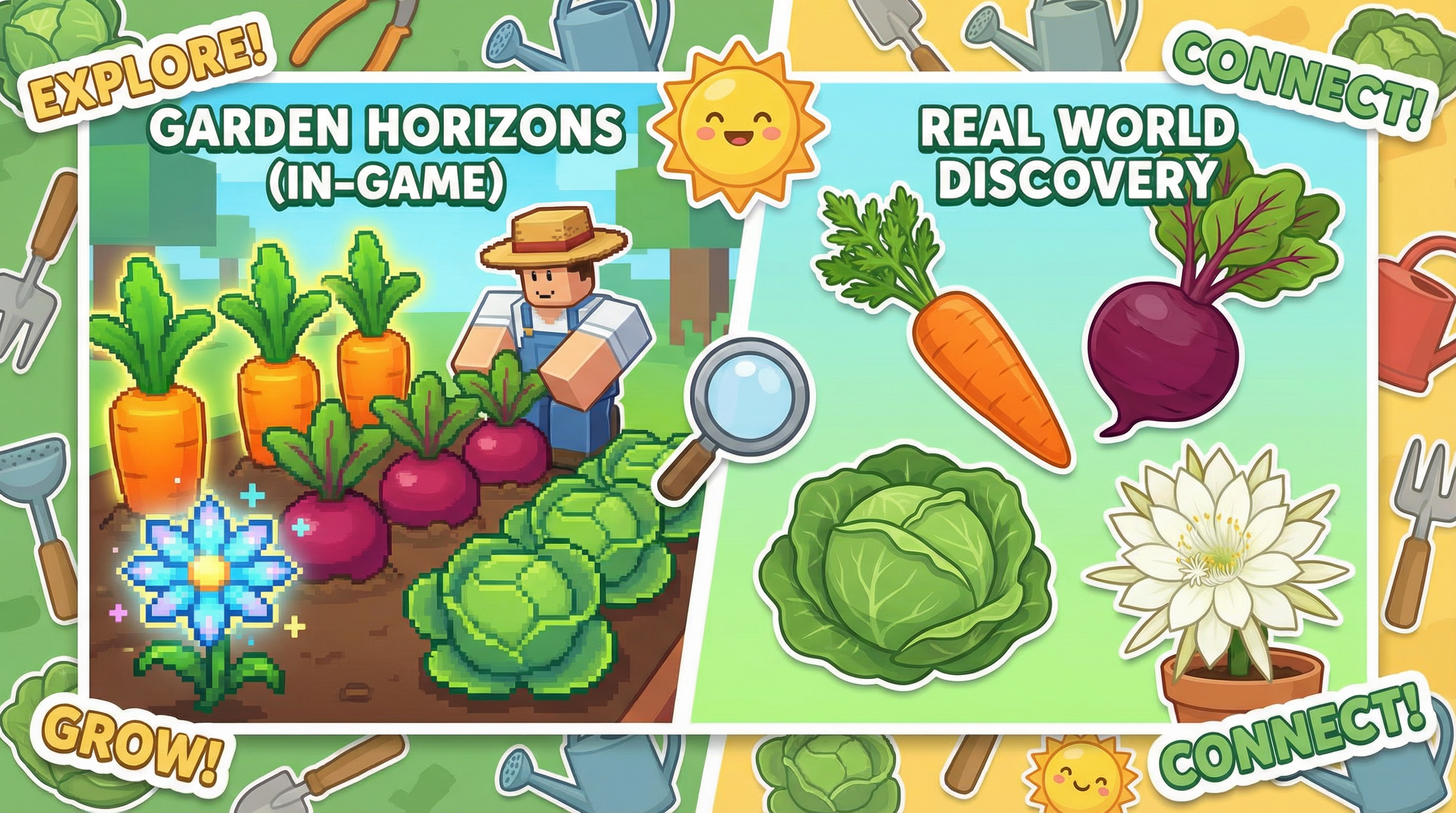
For every gardening enthusiast, Garden Horizons offers more than just a digital farm; it’s a vibrant botanical wonderland. Many of the plants you cultivate in-game have fascinating real-world counterparts, each with its own unique story and horticultural charm. Understanding these connections not only deepens your appreciation for the game but also links your virtual green thumb to the wonders of real-world botany.
1. Common & Uncommon Crops: Your Everyday Garden Heroes
| In-Game Plant | Real-World Counterpart | Horticultural Insights |
|---|---|---|
| Carrot | Wild Carrot (Daucus carota) | Did you know that carrots were originally white or purple? The familiar orange variety was cultivated by Dutch horticulturists in the 17th century. |
| Corn | Maize (Zea mays) | Corn is a highly domesticated crop; it can barely survive in the wild without human intervention. Its kernels are actually fruits, not seeds! |
| Sunpetal | Sunflower (Helianthus annuus) | Sunflowers are famous for their heliotropism, turning to face the sun. In gardening, they are also known as “phytoremediators,” capable of cleaning contaminated soil. |
| Dandelion | Dandelion (Taraxacum officinale) | Often considered a weed, dandelions are entirely edible, from root to flower, and provide an important early food source for bees. |
| Onion | Onion (Allium cepa) | One of humanity’s oldest cultivated plants, its layered structure is botanically known as a bulb, a modified stem. |
| Mushroom | Button Mushroom (Agaricus bisporus) | Not a plant but a fungus! Mushrooms are the fruiting bodies of a vast underground network of mycelium. |
| Strawberry | Garden Strawberry (Fragaria x ananassa) | The tiny “seeds” on the outside are actually the plant’s true fruits (achenes), while the juicy red part is an enlarged receptacle. |
| Goldenberry | Cape Gooseberry (Physalis peruviana) | Also known as Physalis, its fruit is encased in a papery, lantern-like husk, making it visually unique and delicious. |
| Bell Pepper | Bell Pepper (Capsicum annuum) | This is the only variety of chili pepper that doesn’t contain capsaicin, the compound responsible for heat. Its changing colors indicate different stages of ripeness. |
2. Advanced Crops: Rare & Epic Discoveries
| In-Game Plant | Real-World Counterpart | Horticultural Insights |
|---|---|---|
| Beetroot | Red Beet (Beta vulgaris) | Its vibrant red color comes from betalains, powerful antioxidants. In gardening, beets are excellent cool-season crops, valued for both their roots and leaves. |
| Tomato | Tomato (Solanum lycopersicum) | Once mistakenly thought to be poisonous, tomatoes are botanically fruits but culinarily vegetables. They are often companion-planted with basil to enhance flavor and deter pests. |
| Rose | Modern Garden Rose (Rosa hybrida) | While a symbol of love, roses in the garden require meticulous care, including precise pruning and vigilant pest/disease management to thrive. |
| Apple | Domestic Apple (Malus domestica) | Apple trees require a period of cold dormancy (vernalization) to produce fruit. Thinning young apples is crucial for larger, higher-quality harvests. |
| Amberpine | Red Pine (Pinus resinosa) | Pines are conifers, and their resin can fossilize into amber over millennia, symbolizing ancient beauty and preservation. |
| Birch | Silver Birch (Betula pendula) | Known for its striking white bark, which is rich in oils, allowing it to be used as tinder even when wet. Birches are pioneer species, often the first to colonize disturbed land. |
| Wheat | Common Wheat (Triticum aestivum) | A cornerstone of human civilization, wheat is a grass. In gardening, it’s often used as a cover crop to improve soil health and prevent erosion. |
| Banana | Banana (Musa acuminata) | Surprisingly, a banana plant is the world’s largest herb, not a tree. Its “trunk” is actually a pseudostem formed by tightly packed leaf sheaths. |
| Potato | Potato (Solanum tuberosum) | The fourth-largest food crop globally. The edible part is a tuber, a swollen underground stem, not a root. |
| Plum | Japanese Plum (Prunus salicina) | Plums often have a powdery white coating (bloom) on their skin, a natural waxy layer that protects the fruit. |
| Orange | Sweet Orange (Citrus x sinensis) | A hybrid of pomelo and mandarin, oranges are rich in Vitamin C and a staple of Mediterranean horticulture. |
| Pomegranate | Pomegranate (Punica granatum) | Symbolizing fertility and abundance, its unique fruit is filled with juicy arils (fleshy seed coverings). |
3. Legendary & Mystical Crops: The Wonders of the Garden
| In-Game Plant | Real-World Counterpart | Horticultural Insights |
|---|---|---|
| Cabbage | Giant Cabbage (Brassica oleracea) | Inspired by the horticultural marvels of places like Alaska, where cabbages can grow to over 40 kg due to extended daylight hours. A true test of a gardener’s skill! |
| Cherry | Sweet Cherry (Prunus avium) | Beyond their delicious fruit, cherry trees are prized for their beautiful blossoms and valuable timber, often used in fine furniture. |
| Dawn Blossom | Epiphyllum (Orchid Cactus) | Often called “Queen of the Night,” these cacti produce spectacular, fragrant flowers that bloom only for a single night, perfectly capturing the game’s sense of rarity and fleeting beauty. |
| Dawn Fruit | Yubari King Melon (Cucumis melo var. reticulatus) | One of the world’s most expensive fruits, known for its perfect spherical shape and exquisite sweetness. It represents the pinnacle of horticultural achievement. |
| Olive | Olive Tree (Olea europaea) | A symbol of peace and longevity, olive trees are incredibly resilient and can live for thousands of years, thriving in arid, Mediterranean climates. |
This comprehensive encyclopedia serves as your ultimate guide to the botanical wonders of Garden Horizons, bridging the gap between your virtual farm and the rich tapestry of real-world plant life.